
How Hangtime Play Café Built 100+ Founding Members and a High-Performing Business Before Fully Opening
Most play café owners assume momentum comes after opening.
In reality, the strongest businesses start building it long before that point.
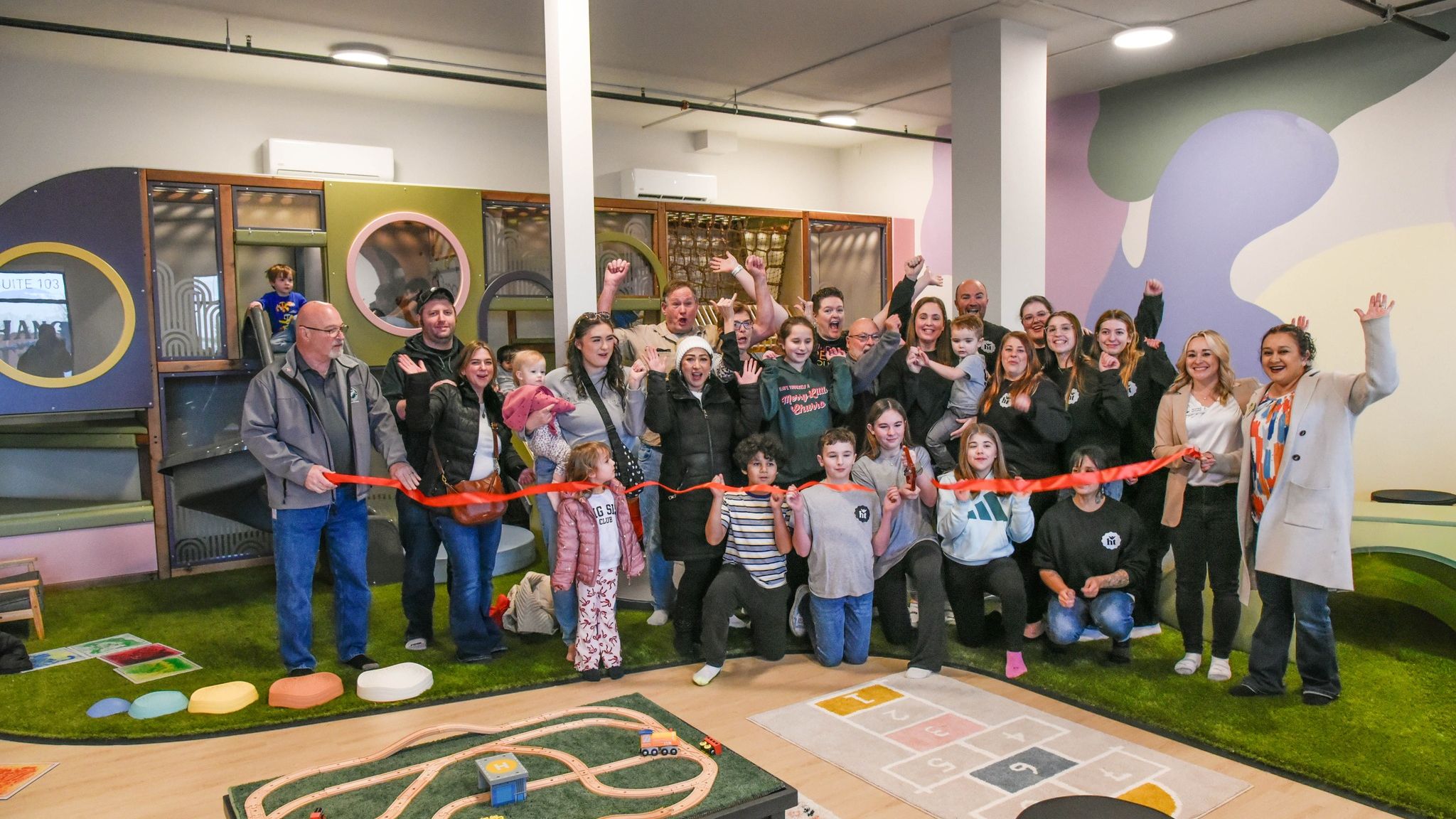
That was immediately clear in my conversation with Erin and Justin, the owners of Hangtime Play Café in Arlington, Washington.
Before their play structure was even installed, they had already secured over 100 founding members. Within a few months of opening, they had grown to more than 250 members, were booking parties weeks in advance, and had built a café that now drives a significant portion of their revenue.
What makes this case especially valuable is that none of this came from overbuilding, overcomplicating, or trying to compete on volume.
It came from clarity, restraint, and a very intentional approach to the experience they wanted to create.
From Montessori Leadership to Play Café Ownership
Erin’s background as a Montessori principal plays a much larger role in this business than most people might initially realize.
She wasn’t just thinking about play.
She was thinking about:
-
how children interact with an environment
-
how overstimulation impacts behavior
-
how structure and flow influence experience
At the same time, she was equally focused on the parent experience—something that is often overlooked in this industry.
That combination—child development awareness paired with a strong emphasis on customer experience—shows up in nearly every decision they made.
The Timeline Most People Don’t See
Like many owners, this wasn’t a quick decision.
The idea had been in the background for several years, even before COVID. Like a lot of people, they paused during that time, reassessed, and then came back to the idea with more clarity.
It wasn’t until mid-2024 that they began moving forward seriously.
From there:
-
LOI signed in January 2025
-
build-out began shortly after
-
doors opened in December
From the outside, that can look fast.
In reality, it was years of mental preparation followed by a very focused execution window.
Building Momentum Before the Business Was Fully Ready
One of the most defining moments in their opening process came when their custom play structure was delayed at port for over 30 days.
At that point, they had a choice.
Wait until everything was complete, or open anyway.
They chose to open.
That decision allowed them to:
-
begin training staff without the pressure of full capacity
-
introduce the concept to the community early
-
create anticipation around the play space
-
and most importantly, begin building demand
They started offering founding memberships during this time and reached over 100 members before the play structure was even installed.
That level of early commitment only happens when people clearly understand what you’re building—and want to be part of it before it’s finished.
The Role of Their Website in Driving Pre-Opening Demand
Another decision that likely played a significant role in their early traction was their approach to their website.
From the beginning, they understood that if they were asking customers to commit before fully opening, their online presence had to reflect the level of quality and professionalism they were promising in the physical space. Rather than treating the website as a basic informational page, they chose to invest in a fully built-out, strategic platform that clearly communicated their concept, guided users toward booking and membership decisions, and made the entire experience feel established before the doors even opened.
That matters more than most owners realize.
When a potential customer lands on your website, they are not just looking for information—they are deciding whether your business feels trustworthy, polished, and worth committing to. In this case, that level of clarity and professionalism likely contributed directly to their ability to secure over 100 founding members prior to opening.
If you’re in the early stages of building your business, this is one area where cutting corners can quietly cost you significant revenue before you even open.
A strong website is not just a marketing asset—it is often the first and most important sales tool your business has.
It was such an honor for our team to help Erin bring her website vision to life.
If you want a website like Hangtime's that does more than just “look good” and actually drives memberships, bookings, and early demand, you can explore our website packages here!
Why the Play Structure Was a Non-Negotiable Investment
Because of how they envisioned the experience, Erin and Justin knew early on that the play structure could not be an afterthought.
They didn’t want a space filled with small, interchangeable toys.
They needed something that felt intentional, unique, and immediately engaging.
In Erin’s words, it had to be “awesome.”
Beyond the aesthetic, the decision came down to a few key factors:
-
it was rare in their area
-
it allowed for a fully custom design
-
it could be built to maximize their specific layout
-
and it supported visibility, which was a top priority
Once installation began, that portion of the process was actually one of the smoothest parts of the build.
The more challenging piece was everything around it.
The Reality of Working With a Builder Who’s Never Done This Before
Their contractor had never built a play café—and had never even built a café.
Which meant Erin and Justin had to take on a much more active role than expected.
They weren’t just approving decisions.
They were guiding them.
They had to explain:
-
how the café would function operationally
-
why certain design elements mattered for visibility
-
how the layout would impact the customer experience
There were also practical challenges, like needing to relocate HVAC mini-split units that weren’t originally accounted for in the play structure design.
None of these issues were deal-breakers, but they required constant involvement.
And while that created some friction, it also forced them to develop a much deeper understanding of their own business—something that will be invaluable as they look toward expansion.
Learning in Real Time At Your Play Cafe Without Losing Your Identity
Once they opened, like any business, they began receiving feedback.
And this is where a lot of owners start to drift.
One customer doesn’t like a product.
Another suggests a change.
And suddenly the business starts reacting to individual opinions instead of staying anchored in its original vision.
Erin was very aware of this.
While they listen closely to feedback, they are intentional about not overcorrecting based on isolated comments.
Because the goal is not to create something that pleases everyone.
The goal is to create something that consistently works for the right customers.
The Operational Reality Most Indoor Playground Owners Don’t Plan For
One of the more practical challenges they’ve encountered has been around café operations—specifically inventory and storage.
With limited on-site storage, they found themselves making frequent trips to restock supplies, baked goods, and drinks.
This is something many owners underestimate.
It’s not just about what you sell—it’s about how you support it operationally.
They’ve since started adjusting by incorporating additional storage planning, including using space at home, but it’s a good example of how real-world operations often look different than what’s planned on paper.
Interestingly, one of their biggest surprises has been the popularity of their baked goods, which has required them to adapt quickly on the supply side.
The Café as a Major Revenue Driver
Like many owners, Erin initially considered outsourcing the café.
If she had, they would be running a very different business today.
Instead, they chose to invest in it.
And as a result, the café now generates approximately 40% of their total revenue.
Even more importantly, it attracts customers who are not using the play space at all.
That includes:
-
nearby residents
-
parents waiting on children at neighboring businesses
-
walk-in customers
This creates a second, independent revenue stream that significantly strengthens the overall business model.
Growth, Replication, and What Comes Next For Hangtime Play Cafe
Even at this early stage, they are already thinking about expansion.
Not through franchising, but through replication.
They see this model as something that can work in multiple markets, provided the same level of intentionality is applied.
There are also clear learnings they will carry into the next location—particularly around storage, café infrastructure, and operational flow.
This business did not gain traction because of one decision.
It gained traction because everything was aligned.
The experience was clear.
The execution was thoughtful.
And they were willing to move forward before everything felt perfect.
That combination is what creates momentum.
About The Author

Michele Caruana
Play Cafe Academy Founder & Blog Author
I have over a decade of hands-on local business experience and tough lessons under my belt, and I am passionate about helping current and prospective play based business owners AVOID the same mistakes myself and SO many other business owner's make. Even though I have a Master's Degree in Economics and Years of Business and Marketing experience, it took me YEARS to "crack the code" and turn my Indoor Playground from an expensive hobby into a business-- and I want to get YOUR business get there in less time and with much less stress.
Recent Posts
Categories
All Categories