
How to Choose Commercial Play Equipment for a Play Cafe or Indoor Playground: Lessons From Children’s Factory
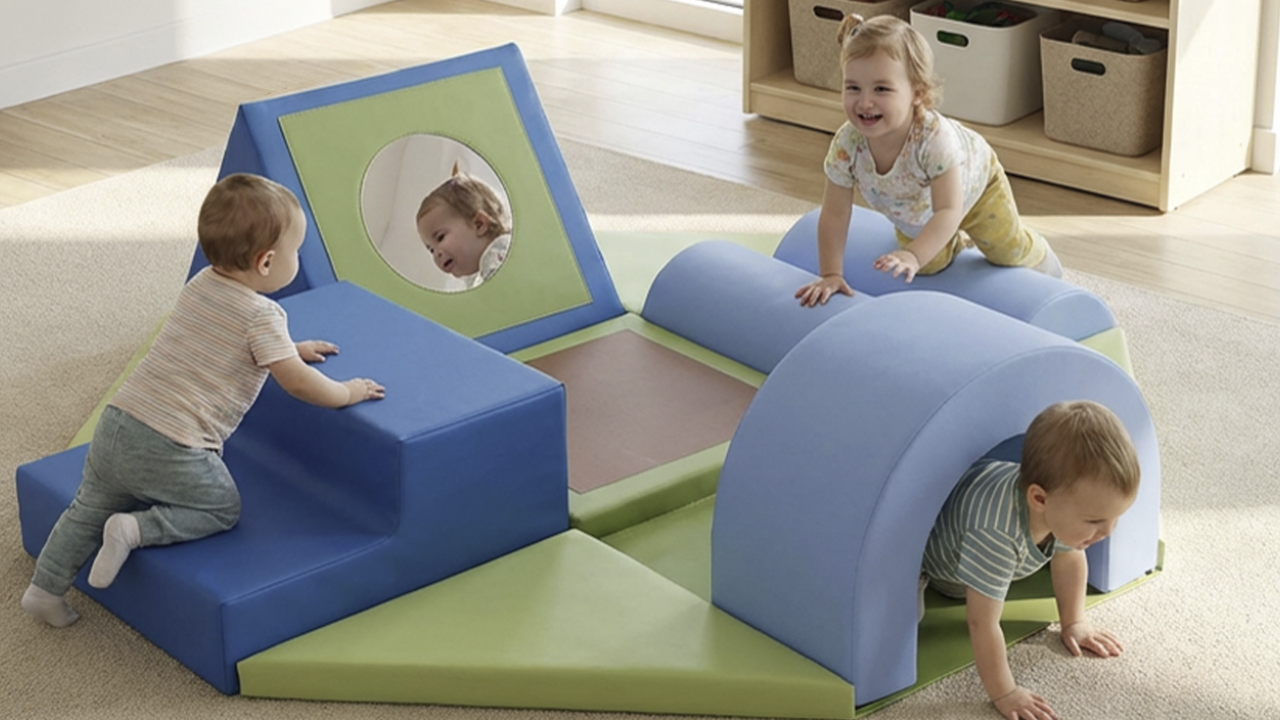
If you’re opening a play cafe, indoor playground, children’s museum, or other play-based business, choosing what actually goes inside your space can be one of the most exciting parts of the process.
It can also be one of the easiest places to make expensive mistakes.
There’s a huge difference between finding something online that looks perfect for your play space and choosing products that are actually appropriate for repeated use in a commercial environment. Beyond aesthetics, owners need to think about durability, safety documentation, age appropriateness, cleanability, developmental value, how products fit into the overall layout, and what will happen when hundreds—or eventually thousands—of children interact with them.
That’s why I recently sat down with Charlotte Thomas from Children’s Factory for an episode of The Profitable Play Podcast.
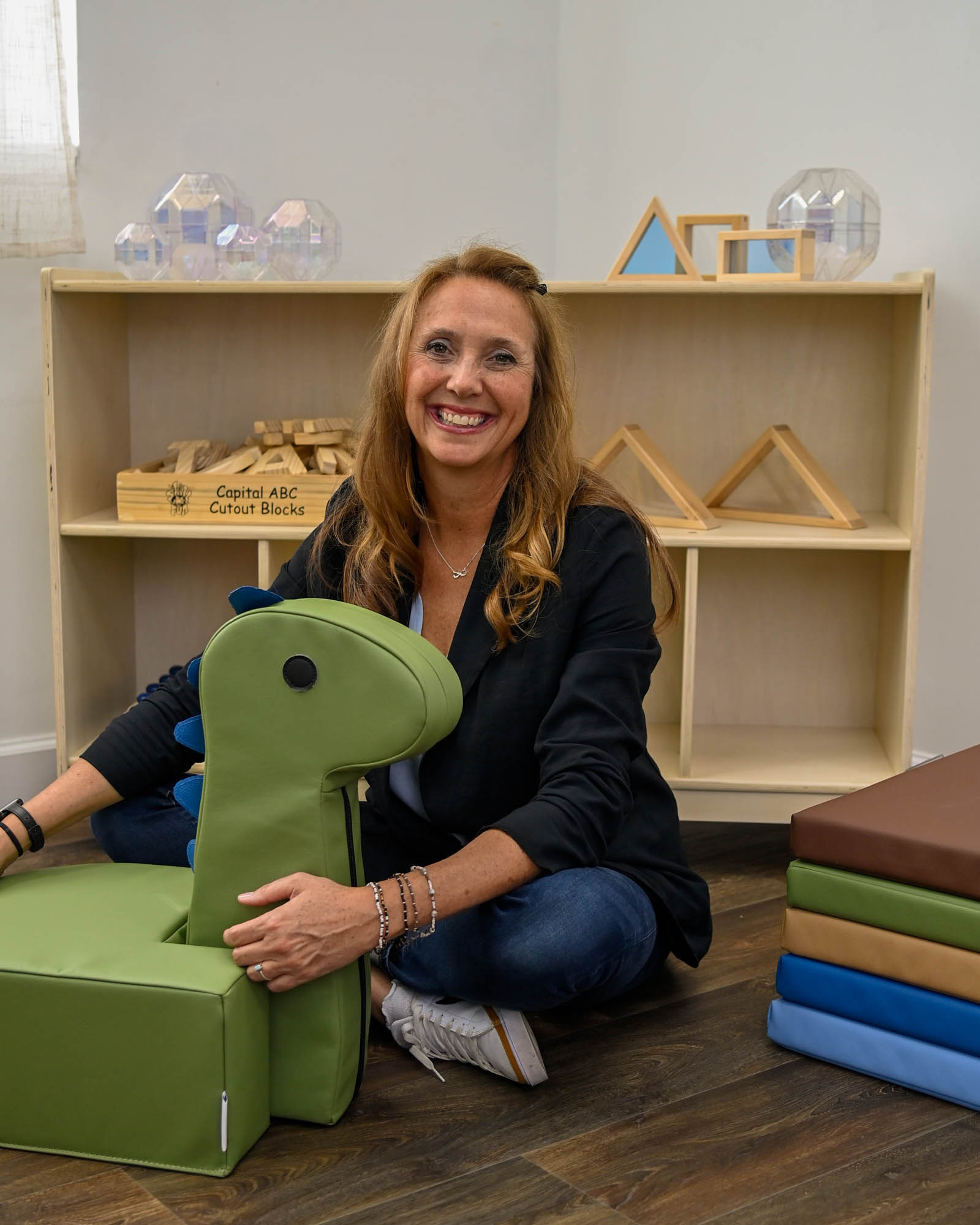
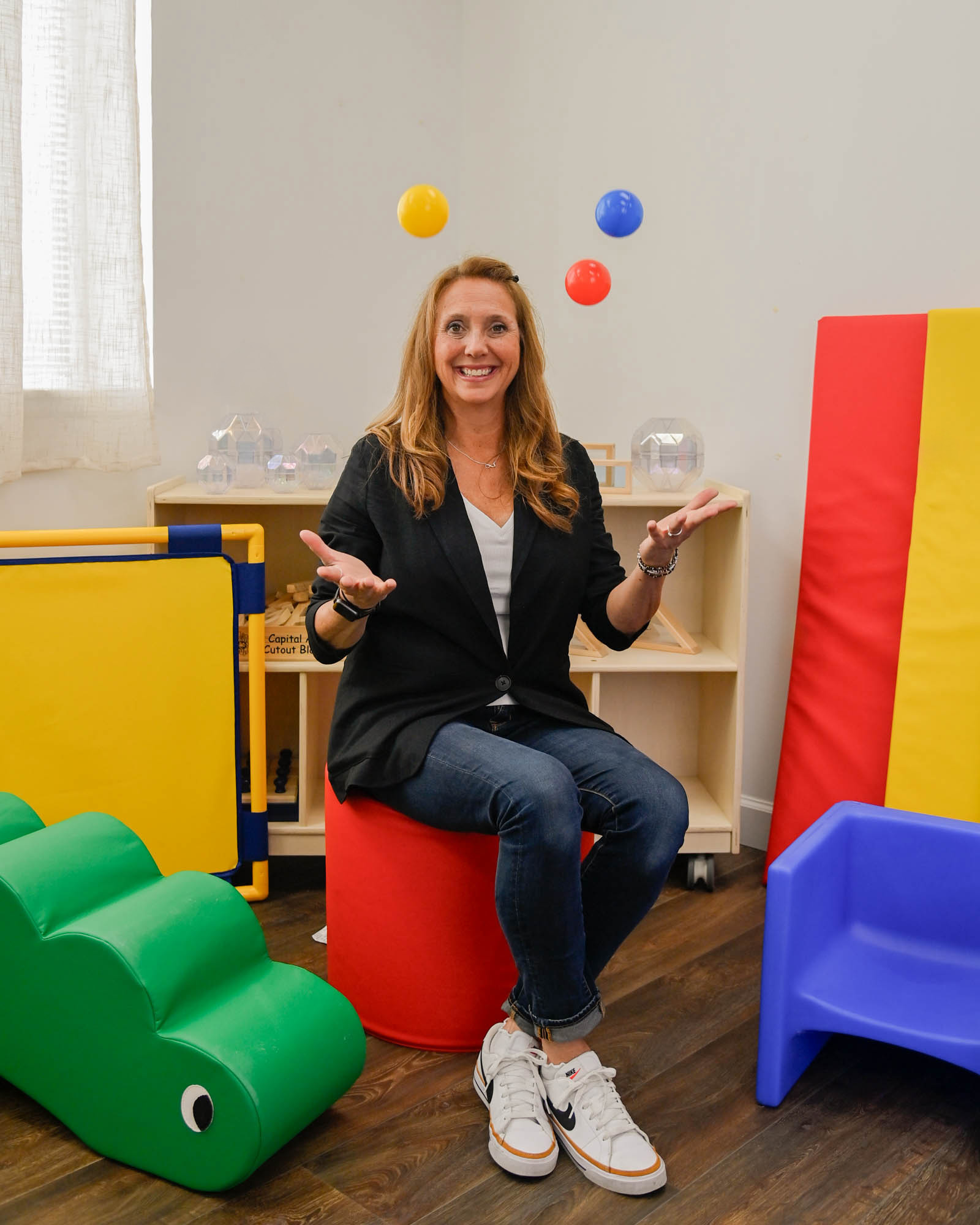
Charlotte has been familiar with Children’s Factory products for nearly 30 years, from using them in classroom environments to selling directly to classrooms and now working with the manufacturing team. During our conversation, we talked about what play space owners should consider when selecting products, how Children’s Factory works with commercial customers, and some of the purchasing mistakes owners can avoid.
And if you decide Children’s Factory is a good fit for your space, I also have a discount for my audience:
Use code PM30 for 30% off your Children’s Factory order PLUS free shipping.
Here are some of my biggest takeaways from our conversation.
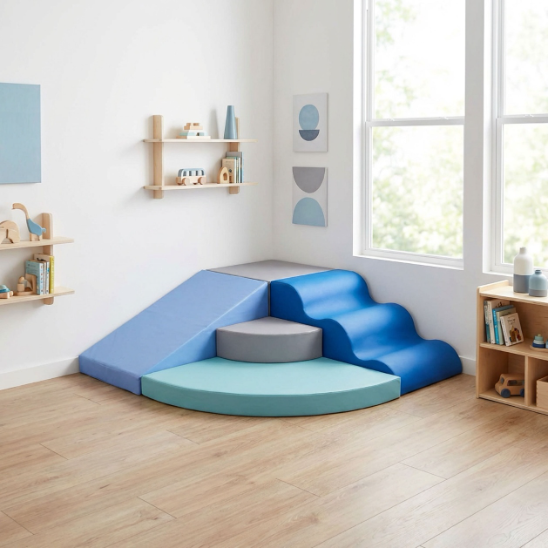
1. “Commercial Grade” Should Be One of Your First Considerations
One of the most important parts of our conversation was the difference between buying something that looks like it belongs in a play cafe and purchasing something that was actually created for repeated use in a commercial environment.
This matters because play cafe equipment gets used in a completely different way than something sitting in a home playroom.
At home, a soft play piece might be used by one or two children for a relatively short period of time each day.
Inside a busy play space, that same type of product could potentially be climbed on, moved, jumped on, cleaned, rearranged, and used by child after child throughout the entire day.
That repeated use adds up very quickly.
So when you’re comparing products, price shouldn’t be the only factor you’re considering. You also need to understand what you're actually buying.
During our interview, Charlotte talked about the importance of commercial-grade products and the documentation behind them. This is an area where I think new owners need to be especially careful, because a product being marketed for children does not automatically mean it is appropriate for your particular commercial use.
Before making a purchase, ask questions.
What environment was this product designed for?
What testing or certifications does the manufacturer provide?
What age range is it intended for?
How is it meant to be used?
How should it be cleaned and maintained?
What documentation is available?
And don't wait until you're already deep into your build-out to start thinking about those questions.
2. The Cheapest Product Isn't Necessarily the Least Expensive Option
Startup budgets are real.
I work with aspiring owners every single day, and I completely understand the temptation to look at two seemingly similar products and choose the one that costs significantly less.
But the initial purchase price is only one part of the cost.
If you buy something inexpensive and it needs to be replaced repeatedly, suddenly that bargain isn't such a bargain anymore.
There are also costs that are harder to quantify.
What happens if something constantly looks worn or damaged?
How much employee time goes into repairing, repositioning, or dealing with a product that wasn't designed for this level of use?
What happens if you build an entire area around something and then have to replace it shortly after opening?
This is why I encourage owners to think in terms of value over time, not simply the number on the initial invoice.
Charlotte explained that durability is actually part of how Children’s Factory thinks about sustainability. Creating commercial-grade products that last longer means those products don't need to be replaced as frequently, which can reduce waste while also providing greater long-term value to the business owner.
That doesn't mean you need the most expensive version of absolutely everything in your facility.
It means you should understand where durability matters and make purchasing decisions intentionally.
3. Ask for Documentation—Don't Just Rely on Marketing Language
This was another important takeaway from our conversation.
When you're purchasing products for a children's business, don't be afraid to ask manufacturers and vendors for information about testing, certifications, intended use, and product specifications.
One of the certifications Charlotte discussed was GREENGUARD Gold Certification.
Many Children’s Factory products are GREENGUARD Gold Certified, meaning they've been tested for low chemical emissions and can contribute to healthier indoor environments.
For an indoor business designed specifically around children—particularly babies, toddlers and preschool-aged children—that is information worth understanding.
More broadly, though, the lesson here is to become a more informed purchaser.
Don't assume.
Ask.
A reputable company that regularly works with schools, childcare facilities, commercial play environments, and other children's spaces should be accustomed to answering these types of questions.
And remember that your requirements may vary depending on your location, insurance, facility, intended use, and other factors. Always confirm what applies to your specific business rather than assuming that because another play space uses something, it's automatically appropriate for yours.
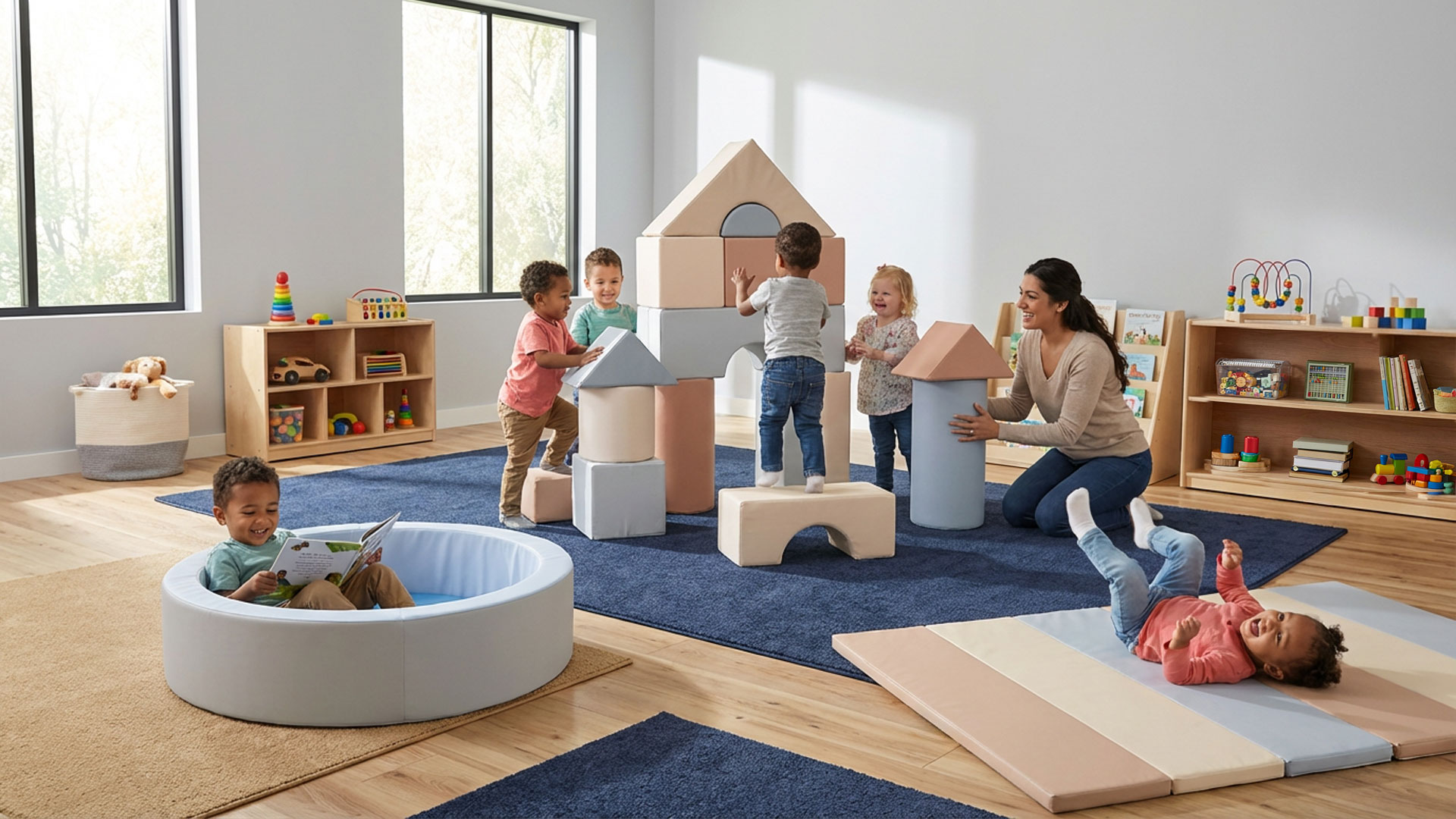
4. Start With the Children You're Actually Designing For
One thing I really appreciated about my conversation with Charlotte was that we didn't just talk about products. We talked about the purpose behind the products.
Children's Factory designs products for different ages and developmental stages, from infants through older children.
And that's something every play space owner should think about before shopping.
Instead of starting with:
“What equipment looks cute?”
Start with:
“Who is going to use this area, and what do I want them to be able to do here?”
A space designed for a crawling infant should not function exactly like a space designed for a three-year-old.
Think about the developmental abilities of each age group you're trying to serve.
What types of gross-motor movement are appropriate?
What opportunities are there for sensory exploration?
Can children engage independently?
Can they use their imaginations?
Can they interact with the environment in more than one way?
Is there enough variety that a child can have a different experience the next time they visit?
These questions lead to a much more intentional space than simply filling every available square foot.
5. Don't Overlook Sensory Play
Sensory play was another area Charlotte and I discussed, and I think it's particularly relevant for play cafe owners because sensory experiences can be incorporated in so many different ways.
You don't necessarily need one enormous designated “sensory area” for sensory play to be part of your concept.
Think about texture, movement, touch, sound, visual stimulation, quieter experiences, and opportunities for children to explore at their own pace.
This also goes back to understanding why you're purchasing each item.
Rather than buying ten things because they're popular on Instagram, think about the experiences you already offer and what's missing.
If your facility already provides a tremendous amount of gross-motor activity, perhaps another climbing structure isn't what you need.
Maybe your next investment should create an entirely different type of play experience.
Your equipment should work together to create a well-rounded environment.
6. Think Beyond the Play Equipment
When people hear Children’s Factory, they may immediately think about soft play pieces.
But one thing we discussed in the interview is how many other parts of a children's facility need to be considered.
Play cafe owners also need:
- Tables and chairs
- Seating
- Storage
- Lockers or places for coats and bags
- Changing areas
- Furniture for different age groups
- Products for quieter play and learning
- Rest-time or flexible-use products, depending on the concept
This is another reason I recommend thinking about your facility as an entire customer experience, rather than treating the playground as the business and everything around it as an afterthought.
The parent struggling to figure out where to put three coats, a diaper bag and everyone's shoes is experiencing your business too.
The toddler who needs a break from the busiest part of the play area is experiencing your business.
The parent trying to comfortably feed a baby while supervising an older sibling is experiencing your business.
Sometimes the less exciting purchases have an enormous impact on how functional your space feels once you're actually open.
7. Your Layout Should Come Before Your Shopping List
This is a big one.
It's very easy to start saving products before you have a clear understanding of how they're going to function together.
Charlotte explained that Children’s Factory can provide product footprints and help customers think through the different categories and how products may be used within a space.
Take advantage of that type of support.
Your square footage is finite.
Every piece you add takes space away from something else, so don't just ask whether something technically fits.
Ask whether it earns the space it occupies.
How much play value does it create?
How many children can realistically interact with it?
Does it complement the products around it?
Does it make sense for your target age?
Does it create an awkward traffic pattern?
Does it interfere with sightlines?
Does it help you create the overall experience you're trying to offer?
You can absolutely have a facility full of individually great products that collectively create a poor layout.
Plan the experience first. Then choose the products that help create it.
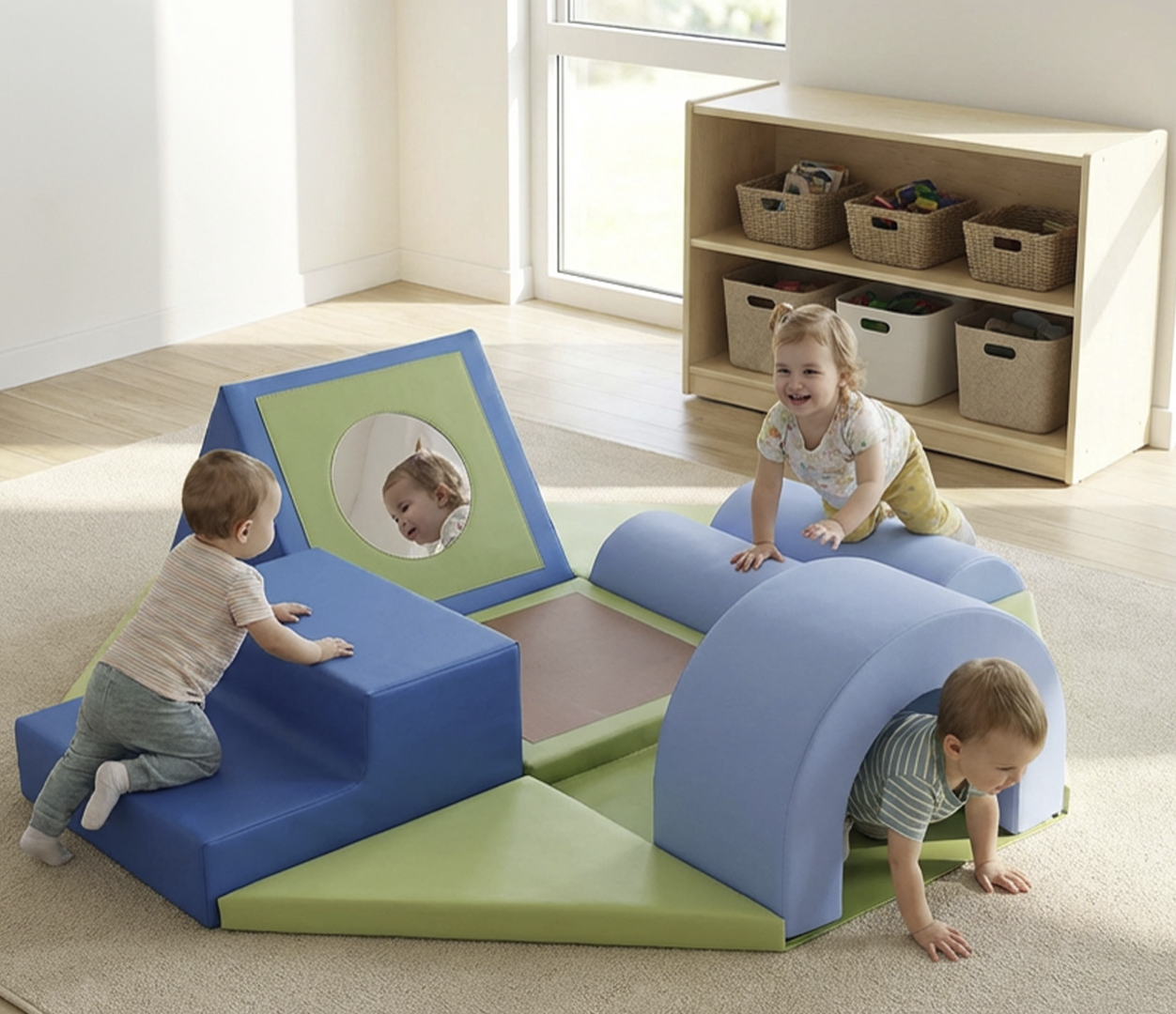
8. You Don't Necessarily Need Custom Equipment to Create a Cohesive Space
I think owners sometimes assume that creating a beautiful, branded environment requires every piece to be custom manufactured.
It doesn't.
During our conversation, Charlotte talked about working with owners to understand their goals, themes, budget, desired look, and clientele, and then helping guide them toward products that make sense within those parameters.
Color palette alone can make a huge difference in how cohesive a space feels.
You can choose pieces that complement your brand and repeat colors and materials throughout the environment so the space feels intentional rather than random.
The goal isn't necessarily to have every piece scream your brand.
The goal is for the entire facility to feel like it belongs together.
9. Design for Repeat Visits, Not Just the Grand Opening
This is something I wish more owners thought about during the planning process.
Your goal is not to impress a child once.
You need families to want to come back.
That changes how I think about play space design.
Something can look AMAZING in a grand-opening photo and still have very little repeat-play value.
Ask yourself whether children can interact with your space differently from visit to visit.
Are there open-ended elements?
Are there opportunities for imaginative play?
Can pieces be used in multiple ways?
Are there experiences for children with different interests and abilities?
Does the environment encourage exploration rather than dictating one specific way to play?
The novelty of being the newest play space in town eventually wears off.
The actual experience is what has to keep families returning after that.
10. Don't Forget That Your Equipment Can Potentially Work Outside Your Four Walls
One of the more interesting parts of our conversation was thinking beyond how products are used inside your facility.
Depending on your business model and the products you choose, some equipment may potentially support other opportunities—such as mobile play, off-site events, community events, or other extensions of your business.
I don't think every owner should automatically turn this into another revenue stream.
In fact, if you've followed me for any amount of time, you know I'm usually the person telling you not to add another revenue stream simply because you can.
But if mobile or off-site play already fits your business model, it can be worth considering whether some of the products you're investing in can serve more than one purpose.
The important thing is that it aligns with your overall business strategy rather than becoming another distraction.
11. Talk to a Real Person Before Making a Huge Purchase
This may be one of the simplest takeaways from the interview, but it's important.
You do not have to figure all of this out by yourself.
Charlotte talked about meeting virtually with play cafe owners to learn more about their needs, direction, timeline, overall look, budget, themes, and what they're hoping to offer their customers.
That conversation can then help narrow down which products make the most sense.
If you're about to spend thousands—or potentially tens of thousands—of dollars furnishing a commercial children's space, take advantage of the expertise available to you.
Tell them who your customer is.
Tell them your target ages.
Explain your concept.
Share your footprint.
Be upfront about your budget.
Ask what they would prioritize.
Ask what other commercial customers tend to purchase.
Ask what you may be overlooking.
And ask questions before placing the order rather than discovering afterward that you made the wrong choice.
12. Look Beyond the Obvious When Designing Your Play Space
Toward the end of our conversation, I asked Charlotte one of my favorite questions from the entire interview:
If every play space owner listening remembered just one thing about designing spaces for children, what would she want it to be?
Her answer centered around looking beyond the obvious when you're planning a space where children can interact, explore, dream and learn.
I think that's such an important reminder.
A successful play space isn't simply a collection of toys and equipment.
You're creating an environment.
What do you want children to experience there?
What do you want parents to experience?
How do you want people to feel when they walk in?
What makes a child want to explore?
What makes a family stay longer?
And what makes them want to come back next week?
Those questions should guide your purchasing decisions far more than whatever happens to be trending online at the moment.
My Biggest Advice Before Purchasing Equipment for Your Play Cafe
If you're currently in the planning or build-out stage, don't rush this part of the process simply because you're excited to see your space come together.
Start with your customer.
Define your target ages.
Think through the different types of play you want to offer.
Map out your space.
Understand the function of each area.
Then start choosing the products that support that vision.
And as you compare your options, look beyond price and aesthetics. Consider commercial durability, documentation, intended use, certifications, cleanability, developmental value, versatility, and long-term replacement costs.
Most importantly, ask questions.
You're not furnishing a home playroom.
You're investing in one of the most important assets inside a commercial business, and the decisions you make now will affect your customer experience, operations, and expenses long after opening day.
Save 30% at Children’s Factory + Get Free Shipping
If you'd like to explore Children’s Factory for your play cafe, indoor playground, children's museum, childcare center, or other commercial children's space, I have a special offer for my audience.
Use code PM30 to receive 30% off PLUS free shipping from Children’s Factory.
And if you're not sure which products are right for your concept, Charlotte and the Children’s Factory team can help you think through your space, target ages, needs, budget, and product options before you make your final selections.
And if there’s a topic you’d love to hear me cover on a future episode—whether it’s play space design, birthday parties, memberships, marketing, staffing, profitability, or anything else related to opening and operating an indoor playground or play cafe—send me a DM on Instagram. I’m always looking for future episode ideas directly from the owners and aspiring owners listening.
CONTACT INFORMATION:
Website: www.childrensfactory.com
Email: charlotte.thomas@childrensfactory.com
Discount Code: Use code PM30 for 30% off and Free Shipping!
About The Author

Michele Caruana
Play Cafe Academy Founder & Blog Author
I have over a decade of hands-on local business experience and tough lessons under my belt, and I am passionate about helping current and prospective play based business owners AVOID the same mistakes myself and SO many other business owner's make. Even though I have a Master's Degree in Economics and Years of Business and Marketing experience, it took me YEARS to "crack the code" and turn my Indoor Playground from an expensive hobby into a business-- and I want to get YOUR business get there in less time and with much less stress.
Recent Posts
Categories
All Categories